

A gift is more than a physical object. It is a gesture that carries emotion, intention, and meaning. Across cultures and generations, gifting has remained one of the most powerful ways to express appreciation, love, celebration, and connection.
Whether it is a small handmade item or a thoughtfully chosen present, the value of a gift lies in why it is given, not just what is given.
What Is a Gift?
A gift is something voluntarily given without the expectation of payment or return. It can be tangible, such as an object, or intangible, such as time, effort, or support.
Common forms of gifts include:
- Physical items (books, jewelry, clothing)
- Experiences (travel, events, classes)
- Digital gifts (subscriptions, e-cards)
- Emotional gifts (presence, listening, encouragement)
Each form serves a different purpose but shares the same core intent—to give.
Why Gifting Matters
Gift-giving plays a key role in human relationships. It helps strengthen bonds and communicate feelings that words sometimes cannot.
Emotional Connection
A well-chosen gift reflects understanding and thoughtfulness. It shows the recipient that they are valued and remembered.
Cultural and Social Significance
In many traditions, gifts symbolize:
- Respect and honor
- Celebration of milestones
- Gratitude and goodwill
Psychological Impact
Giving gifts can also benefit the giver by:
- Increasing happiness
- Reducing stress
- Strengthening social trust
Types of Gifts
Personal Gifts
These are tailored to the recipient’s personality, interests, or needs.
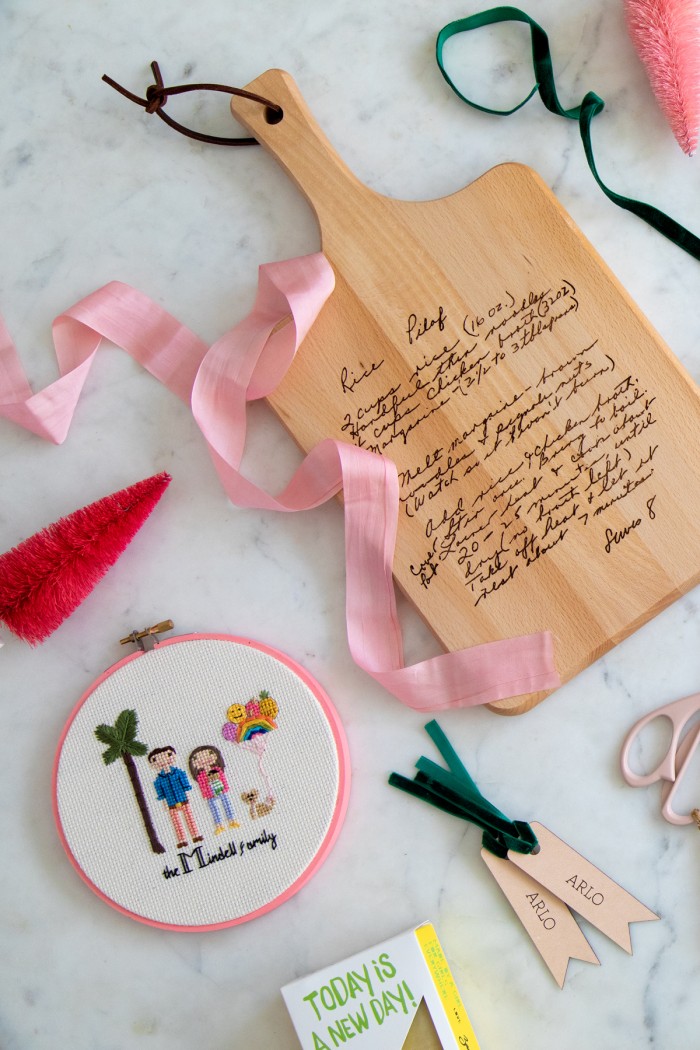
- Customized items
- Handmade creations
- Sentimental keepsakes
Occasion-Based Gifts
Given to mark specific events such as:
- Birthdays
- Weddings
- Anniversaries
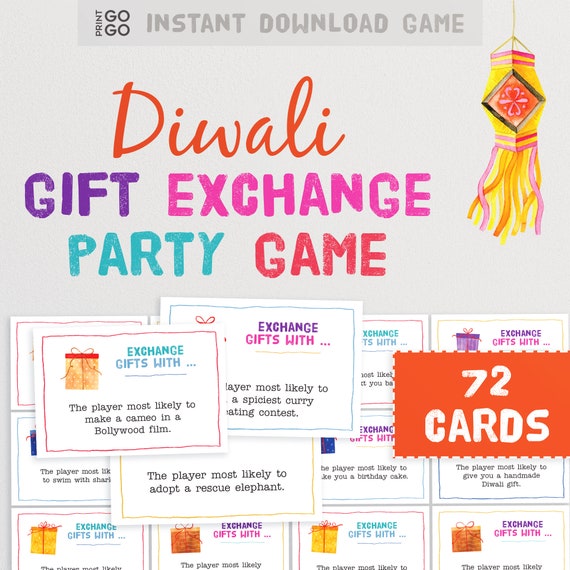
- Festivals and holidays
Corporate Gifts
Used in professional settings to:
- Build client relationships
- Appreciate employees
- Enhance brand loyalty
Experience Gifts
Instead of objects, these focus on memories.
- Concert tickets
- Spa treatments
- Adventure activities


How to Choose the Right Gift
Choosing the right gift requires intention and observation rather than price.
Key considerations include:
- The recipient’s interests and lifestyle
- The occasion and its formality
- Emotional value over monetary value
- Practicality and usability
A meaningful gift often answers the silent question: “Did you think of me?”
The Rise of Thoughtful and Sustainable Gifting
Modern gifting trends are shifting toward:
- Eco-friendly packaging
- Ethical and local products
- Minimalist and purposeful gifts
This approach emphasizes quality, responsibility, and intention over excess.
Common Gifting Mistakes to Avoid
Even with good intentions, some mistakes can reduce the impact of a gift.
- Choosing generic items without context
- Ignoring cultural or personal sensitivities
- Overemphasizing price instead of meaning
- Giving gifts with hidden expectations
Being mindful avoids discomfort and ensures the gesture is received positively.
The True Value of a Gift
A gift is ultimately a form of communication. It speaks of care, memory, and effort. The most memorable gifts are not always expensive, but they are always intentional.
When given sincerely, a gift becomes a lasting symbol of connection.
Frequently Asked Questions (FAQ)
1. Is an expensive gift always better than a simple one?
No. A thoughtful, meaningful gift often holds more value than an expensive but impersonal item.
2. What makes a gift truly meaningful?
Understanding the recipient’s personality, needs, or emotions makes a gift meaningful.
3. Are experience gifts better than physical gifts?
It depends on the person. Some value memories, while others appreciate tangible keepsakes.
4. How can I give a gift on a limited budget?
Handmade items, heartfelt notes, or quality time can be powerful gifts without high costs.
5. Is it okay to give practical gifts?
Yes, if the item aligns with the recipient’s needs and preferences.
6. What should I avoid when gifting in professional settings?
Avoid overly personal items, culturally sensitive objects, or anything that could be misinterpreted.
7. Can gifting strengthen relationships long-term?
Yes. Consistent, thoughtful gifting can reinforce trust, appreciation, and emotional bonds over time.
If you want, I can also tailor this article for SEO, rewrite it in a more story-driven tone, or adapt it for a blog, ecommerce site, or magazine.


