
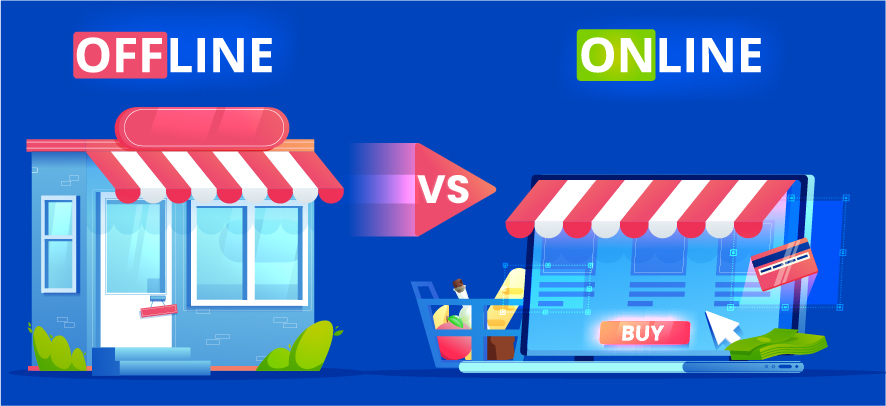
Choosing between online and offline deals isn’t about picking a clear winner—it’s about understanding where each option excels. Both shopping methods offer unique advantages, and the better choice often depends on price transparency, urgency, product type, and personal preference.
Understanding Online Deals
Online shopping has transformed how consumers hunt for bargains. With a few clicks, shoppers can access thousands of offers across platforms.
Advantages of Online Deals
- Easy price comparison across multiple sellers
- Frequent discounts and promo codes
- Access to flash sales and app-only offers
- Wider product variety, including international options
Online deals are especially effective for electronics, fashion, subscriptions, and digital products.
Limitations of Online Deals
- Shipping costs can reduce savings
- Delivery delays for urgent purchases
- Risk of misleading listings or counterfeit items
- Returns may involve extra steps
A deal isn’t always a bargain if post-purchase hassles outweigh the savings.
Understanding Offline Deals
Offline or in-store deals remain highly relevant, especially for shoppers who value physical inspection and immediate ownership.
Advantages of Offline Deals
- Instant product availability
- Ability to see, touch, and test products
- No shipping or delivery fees
- Easier returns and exchanges
Offline deals work best for groceries, furniture, clothing, and high-touch items where quality inspection matters.
Limitations of Offline Deals
- Limited stock and size availability
- Fewer price comparison options
- Deals may vary by store location
- Time and travel costs
In-store discounts can be excellent, but they’re not always the most transparent.
Price Comparison: Online vs Offline
| Factor | Online Deals | Offline Deals |
|---|---|---|
| Price Visibility | High | Moderate |
| Negotiation | Rare | Sometimes possible |
| Extra Costs | Shipping, handling | Travel, time |
| Deal Frequency | Very frequent | Seasonal or clearance-based |
Online deals often appear cheaper, but offline deals may offer better value once hidden costs are considered.
Which Is Better for Different Products?
Best for Online Deals
- Electronics
- Fashion and accessories
- Software and subscriptions
- Niche or specialty products
Best for Offline Deals
- Groceries and daily essentials
- Furniture and appliances
- Luxury or high-value items
- Clothing where fit matters
Matching the product type with the right buying channel leads to smarter savings.
When Online Deals Win
Online shopping is usually better when:
- You have time to wait for delivery
- You want to compare prices easily
- You’re looking for specific brands or models
- Discounts stack with coupons or cashback
When Offline Deals Win
Offline shopping is often better when:
- You need the product immediately
- Quality inspection is essential
- You want personalized assistance
- Clearance or store-exclusive deals are available
The Smart Shopper’s Strategy
The best approach isn’t choosing one—it’s combining both.
- Research prices online before visiting stores
- Check in-store deals before ordering online
- Use online reviews to validate offline purchases
- Time purchases around sales cycles
This hybrid strategy maximizes savings without sacrificing convenience.
Final Verdict
Online deals offer convenience and variety, while offline deals provide certainty and immediacy. Neither is universally better—the smarter choice depends on your priorities, timing, and the product itself.
Frequently Asked Questions (FAQs)
1. Are online deals always cheaper than offline deals?
Not always. Shipping fees and delayed returns can reduce the actual savings online.
2. Can offline stores match online prices?
Some stores offer price matching, especially for major brands.
3. Which is safer: online or offline shopping?
Offline shopping offers more certainty, but trusted online platforms are equally safe when used carefully.
4. Do offline stores offer exclusive deals?
Yes, many stores provide in-store-only discounts and clearance sales.
5. Are online flash sales worth it?
They can be, but only if you verify the original price and product authenticity.
6. Which option is better for big-ticket items?
Offline shopping is often better for high-value items due to inspection and easier returns.
7. How can I get the best of both worlds?
Compare online prices, then check offline stores—or use offline inspection before buying online.
Bottom line: Smart savings don’t come from choosing online or offline—they come from knowing when to use each.


