Clothing is one of the most fundamental aspects of human life. Beyond its practical purpose of covering the body, clothing reflects culture, personality, lifestyle, and social values. From everyday casual wear to ceremonial attire, what people choose to wear often tells a story about who they are and how they see the world.
The Evolution of Clothing Over Time
Clothing has evolved alongside human civilization. Early garments were designed primarily for protection against climate and environment. Over time, fashion aesthetics, craftsmanship, and symbolism became equally important.
From Utility to Expression
- Animal skins and natural fibers were among the earliest materials
- Handwoven textiles marked the rise of craftsmanship
- Industrialization introduced mass production and accessibility
- Modern fashion blends tradition with innovation
Today, clothing balances comfort, functionality, and self-expression more than ever before.
Types of Clothing and Their Purpose
Different categories of clothing serve different needs, environments, and occasions.
Casual Wear
Casual clothing prioritizes comfort and ease of movement. Common examples include:
- T-shirts and jeans
- Hoodies and sweatpants
- Casual dresses and sneakers
Formal and Professional Wear
Formal clothing is designed to project polish, authority, and professionalism.
- Suits and blazers
- Dress shirts and tailored trousers
- Formal dresses and evening wear
Active and Sportswear
This category focuses on performance and flexibility.
- Athletic shorts and leggings
- Moisture-wicking tops
- Specialized footwear
Fabrics and Materials Used in Clothing
The fabric used in clothing significantly affects comfort, durability, and appearance.
Common Natural Fabrics
- Cotton – breathable and soft
- Wool – insulating and temperature-regulating
- Silk – lightweight and luxurious
Popular Synthetic Fabrics
- Polyester – durable and wrinkle-resistant
- Nylon – strong and lightweight
- Elastane – provides stretch and flexibility
Modern clothing often blends materials to enhance performance and longevity.
The Role of Clothing in Culture and Society
Clothing plays a vital role in expressing cultural identity and social belonging. Traditional garments often carry deep historical and symbolic meaning, while contemporary fashion reflects global influences.
- Cultural attire preserves heritage
- Fashion trends mirror social movements
- Dress codes influence social interactions
What people wear can signal respect, rebellion, creativity, or conformity.
Sustainable and Ethical Clothing
As awareness grows, consumers are increasingly valuing sustainable and ethical fashion. This movement focuses on reducing environmental impact and improving labor conditions.
Key Aspects of Sustainable Clothing
- Eco-friendly fabrics like organic cotton
- Ethical labor practices
- Reduced waste and recycling initiatives
Choosing sustainable clothing supports both the planet and the people involved in production.
How to Choose the Right Clothing
Selecting the right clothing goes beyond trends. It involves understanding personal needs, body type, and lifestyle.
- Prioritize comfort and fit
- Choose fabrics suitable for the climate
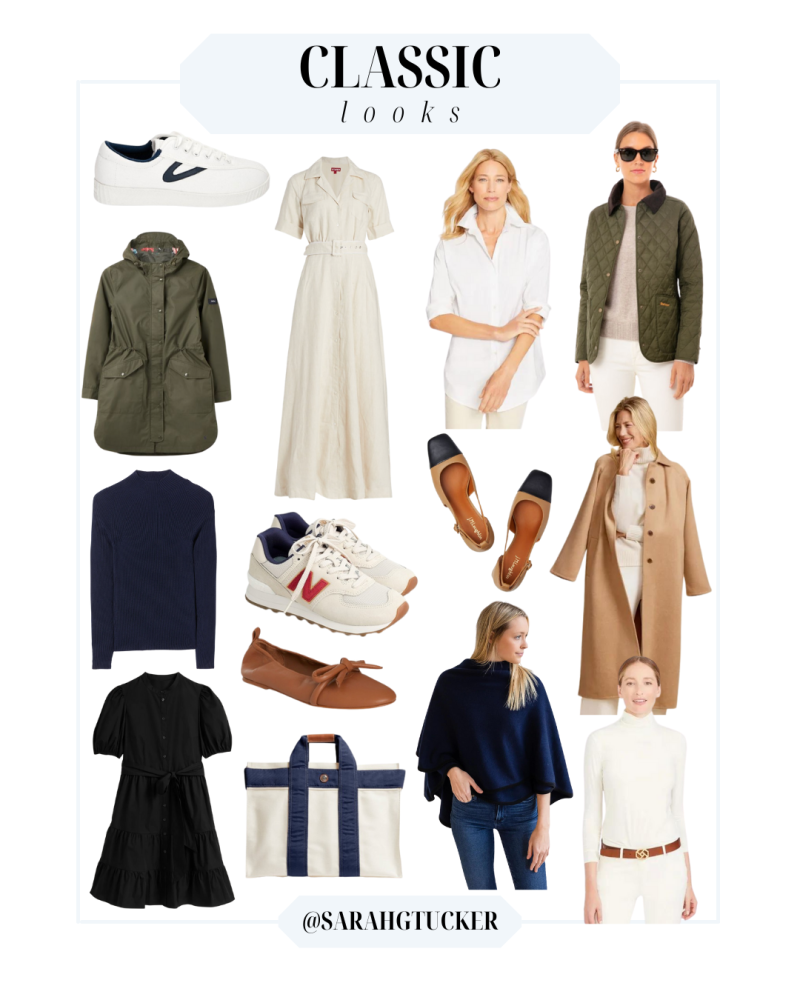
- Invest in versatile, timeless pieces
- Balance trends with personal style
Well-chosen clothing boosts confidence and long-term satisfaction.
The Future of Clothing and Fashion
The future of clothing is shaped by technology, sustainability, and personalization. Innovations such as smart fabrics, digital fashion, and on-demand manufacturing are redefining how clothing is designed and consumed.
As fashion evolves, clothing will continue to reflect changing values while maintaining its essential role in everyday life.
Frequently Asked Questions (FAQs)
1. Why is clothing important in daily life?
Clothing provides protection, comfort, and a means of expressing personal identity and cultural values.
2. What is the difference between fashion and clothing?
Clothing refers to garments themselves, while fashion represents trends, styles, and cultural expression related to clothing.
3. How can I build a versatile wardrobe?
Focus on neutral colors, quality basics, and pieces that can be styled for multiple occasions.
4. Are sustainable clothes more expensive?
They can be slightly higher in price, but they often last longer and provide better value over time.
5. How do fabrics affect comfort?
Breathability, softness, and flexibility of fabrics directly influence how comfortable clothing feels on the body.
6. What should I consider when buying clothes online?
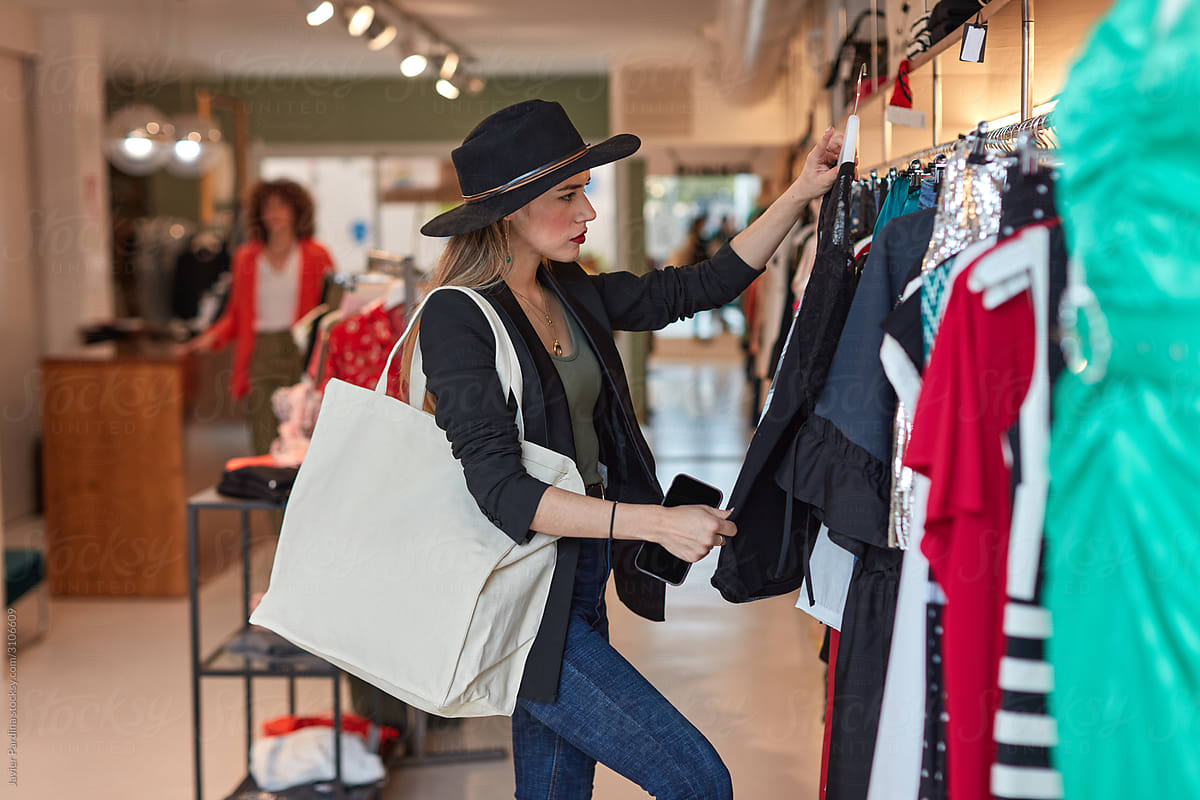
Check size guides, fabric details, return policies, and customer reviews to ensure a good fit.
7. How often should clothing be replaced?
This depends on wear, quality, and care, but replacing items when they lose fit or function is ideal.
Clothing remains a powerful blend of function, culture, and creativity, shaping how individuals present themselves in an ever-changing world.