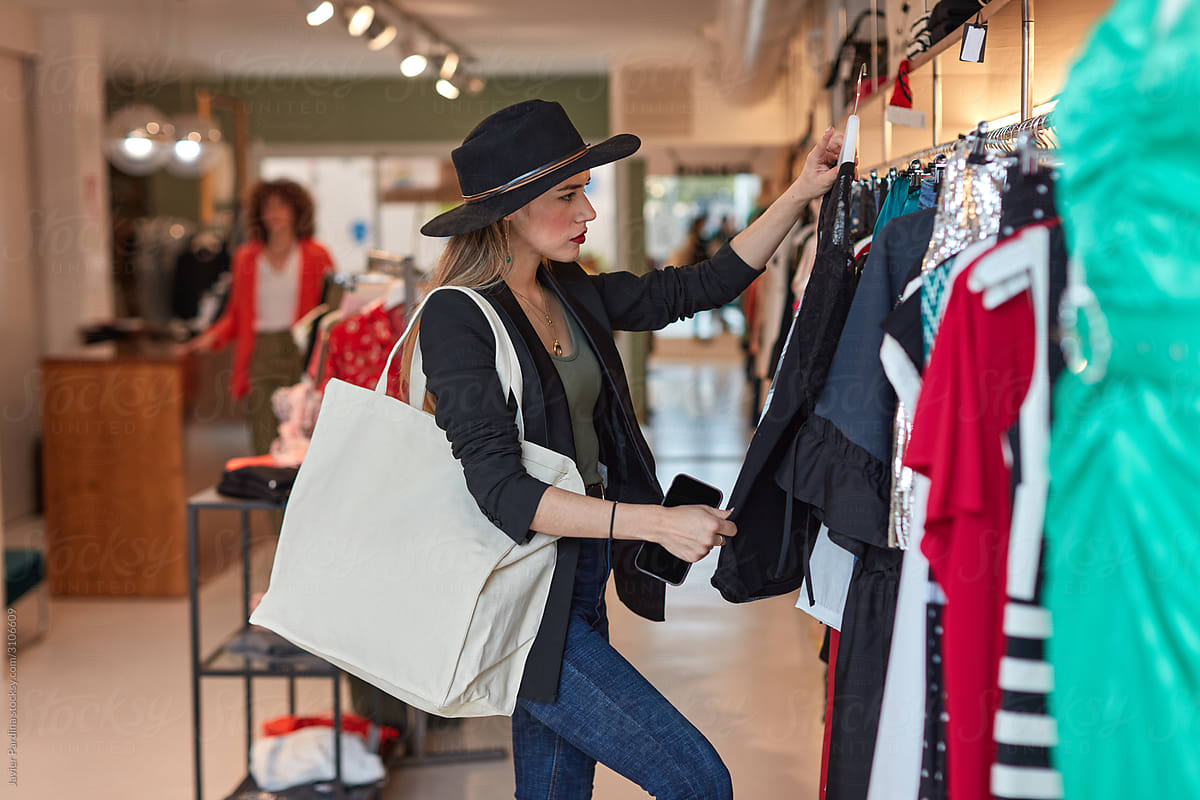
Clothing is more than a daily necessity—it’s a reflection of comfort, function, and personal expression. A thoughtfully built wardrobe saves time, reduces waste, and ensures you’re dressed appropriately for every occasion without unnecessary excess.
Understanding the Purpose of Clothing
At its core, clothing serves three main purposes:
- Protection from weather and environmental conditions
- Comfort for movement and daily activities
- Expression of personal style and cultural identity
Balancing these factors leads to smarter clothing choices that last longer and feel better to wear.
The Foundation of a Well-Built Wardrobe
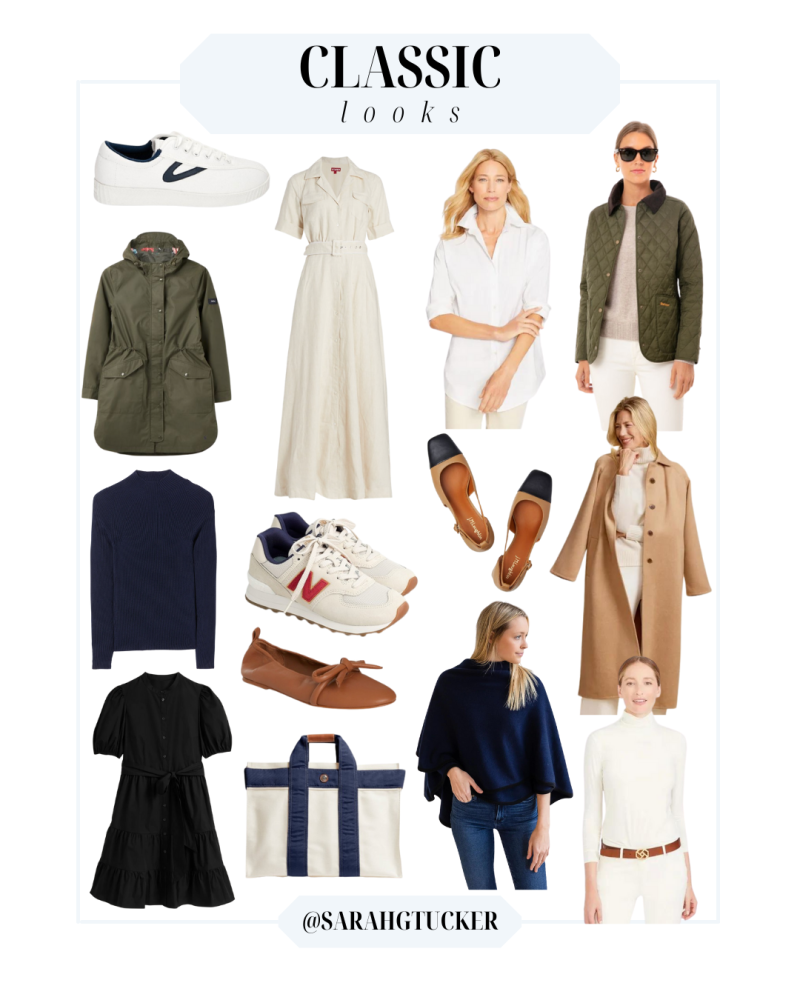
A strong wardrobe begins with versatile basics that can be mixed and matched effortlessly. These pieces work across seasons and settings.
Core Clothing Staples
For everyday wear, focus on timeless items rather than fast-changing trends:
- Well-fitted t-shirts in neutral colors
- Button-down shirts suitable for casual and semi-formal looks
- Jeans or tailored trousers with a classic cut
- A lightweight jacket or blazer for layering
- Comfortable sweaters or cardigans
These essentials form the backbone of countless outfits without looking repetitive.
Choosing the Right Fabrics
Fabric quality directly impacts comfort, durability, and appearance.
Natural vs. Synthetic Materials
Natural fabrics are breathable and comfortable:
- Cotton
- Linen
- Wool
Synthetic fabrics offer durability and stretch:
- Polyester
- Nylon
- Elastane
For everyday clothing, blended fabrics often provide the best balance between comfort and longevity.
Fit Matters More Than Trends
No matter how stylish a piece looks, poor fit can ruin its appeal. Properly fitted clothing enhances posture and confidence.
Key fit tips:
- Shoulders should align naturally with seams
- Sleeves should not bunch or pull
- Pants should skim the body without clinging
Tailoring even affordable clothing can dramatically improve its appearance.
Seasonal Clothing Strategy
Planning clothing by season prevents clutter and makes daily dressing easier.
Warm Weather Essentials
- Breathable tops
- Lightweight trousers or skirts
- Moisture-wicking fabrics
Cold Weather Essentials
- Insulating layers
- Quality outerwear
- Knitwear for warmth without bulk
Rotating clothing seasonally also helps preserve fabric quality.
Sustainable Clothing Choices
Modern clothing decisions increasingly factor in environmental impact. Buying fewer, better-quality garments reduces waste and supports ethical production.
Simple sustainable habits include:
- Choosing durable materials
- Avoiding impulse purchases
- Caring properly for garments to extend lifespan
Sustainability doesn’t require sacrificing style—only mindfulness.
Caring for Your Clothing
Proper care keeps clothing looking new for longer.
- Wash with cold water when possible
- Avoid over-drying fabrics
- Store garments folded or hung correctly
Small habits significantly extend the life of your wardrobe.
FAQs About Clothing
1. How many clothing pieces should a basic wardrobe have?
A functional wardrobe typically includes 30–50 versatile pieces, depending on lifestyle and climate.
2. Is expensive clothing always better quality?
Not always. Fabric, construction, and fit matter more than price.
3. How often should clothing be replaced?
Replace clothing when it shows wear that affects comfort, fit, or appearance—not based on trends alone.
4. What colors are best for versatile outfits?
Neutral tones like black, white, navy, gray, and beige pair easily with most colors.
5. How can I avoid buying unnecessary clothes?
Plan outfits in advance and shop with specific needs in mind.
6. Are synthetic fabrics bad for everyday wear?
They aren’t inherently bad, but natural or blended fabrics are often more breathable for daily use.
7. What’s the easiest way to upgrade a wardrobe?
Improving fit through tailoring and replacing worn basics has the biggest impact.
A thoughtful approach to clothing ensures you look polished, feel comfortable, and make choices that stand the test of time—without clutter or waste.