
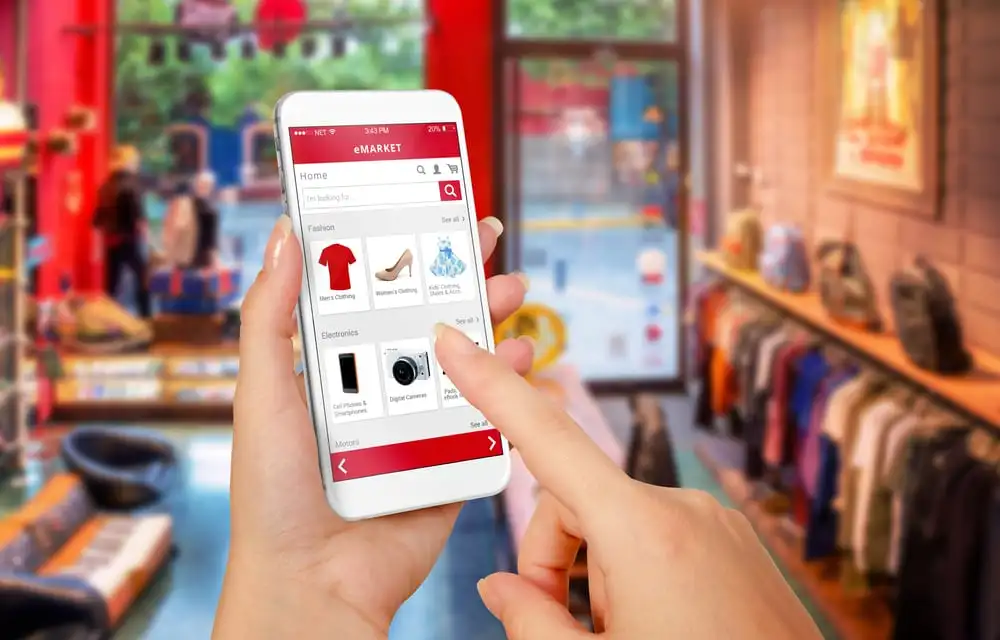
An online shop has become more than just a convenience—it is now a core part of modern commerce. From global brands to small local sellers, businesses are embracing digital storefronts to reach customers anytime, anywhere. For shoppers, online shops offer speed, choice, and flexibility that traditional retail often cannot match.
What Is an Online Shop?
An online shop is a digital platform where products or services are displayed, marketed, and sold over the internet. Customers can browse catalogs, compare prices, place orders, and make secure payments without visiting a physical store.
Unlike brick-and-mortar stores, an online shop operates 24/7, allowing businesses to serve customers across regions and time zones.
How Online Shops Work
At its core, an online shop connects three main elements:
- Product listings with images, descriptions, and prices
- Shopping cart and checkout system for order processing
- Payment and delivery integration to complete transactions
Once a customer places an order, the system automatically updates inventory, processes payment, and triggers fulfillment.
Key Benefits of an Online Shop
For Customers
Online shopping is popular because it offers:
- Convenience – shop from home or on the go
- Wider selection – access to local and international products
- Easy price comparison – better decision-making
- Time-saving experience – no travel or queues
For Businesses
Running an online shop provides major advantages:
- Lower operating costs compared to physical stores
- Global reach without opening new locations
- Data-driven insights into customer behavior
- Scalability – grow faster with fewer limitations
Types of Online Shops
Not all online shops operate the same way. Common models include:
- Business-to-Consumer (B2C) – businesses selling directly to customers
- Business-to-Business (B2B) – companies selling to other companies
- Consumer-to-Consumer (C2C) – individuals selling to individuals
- Dropshipping stores – sellers market products without holding inventory
Each model suits different goals, budgets, and target audiences.
Essential Features of a Successful Online Shop
To build trust and drive sales, an online shop should include:
- User-friendly design with clear navigation
- High-quality product images and detailed descriptions
- Secure payment options (cards, wallets, and local methods)
- Mobile responsiveness for smartphones and tablets
- Fast loading speed to reduce cart abandonment
A smooth user experience directly impacts conversion rates.
Payment and Security Considerations
Security is critical in online shopping. Reliable online shops use:
- SSL encryption to protect customer data
- Trusted payment gateways for safe transactions
- Clear privacy and return policies to build confidence
Customers are more likely to buy when they feel their information is protected.
Marketing an Online Shop Effectively
Launching an online shop is only the first step. Growth depends on smart promotion, such as:
- Search engine optimization (SEO) for organic traffic
- Social media marketing to engage potential buyers
- Email campaigns for repeat customers
- Paid advertising for faster visibility
Consistent branding and clear messaging help build long-term loyalty.
Challenges of Running an Online Shop
While rewarding, online shops also face challenges:
- High competition in popular niches
- Managing logistics and returns
- Building trust with first-time customers
- Keeping up with technology and trends
Overcoming these requires planning, adaptability, and customer-focused strategies.
The Future of Online Shops
Online shopping continues to evolve with trends like:
- Mobile-first shopping experiences
- Personalized recommendations using data
- Faster delivery options
- Integration with social platforms
These innovations are shaping a more seamless and interactive buying journey.
FAQs About Online Shops
1. What products sell best in an online shop?
Everyday essentials, fashion, electronics, beauty products, and digital goods consistently perform well, but success depends on demand and marketing.
2. Is it expensive to start an online shop?
Costs vary. Many platforms allow low-cost startups, especially compared to physical stores.
3. How do online shops handle delivery?
Most use courier services, fulfillment partners, or in-house logistics depending on scale and location.
4. Can small businesses compete with big online shops?
Yes. Niche products, strong branding, and excellent customer service help smaller shops stand out.
5. Are online shops safe for customers?
Reputable online shops use encryption, secure payments, and clear policies to protect buyers.
6. How long does it take to make an online shop profitable?
Profitability depends on niche, pricing, and marketing, but many shops see results within months with consistent effort.
7. Do online shops need customer support?
Absolutely. Responsive customer support builds trust and encourages repeat purchases.
An online shop is no longer optional for modern commerce—it is a powerful tool for growth, accessibility, and innovation. Whether you are a buyer seeking convenience or a seller aiming to expand, online shops continue to redefine how the world trades.


